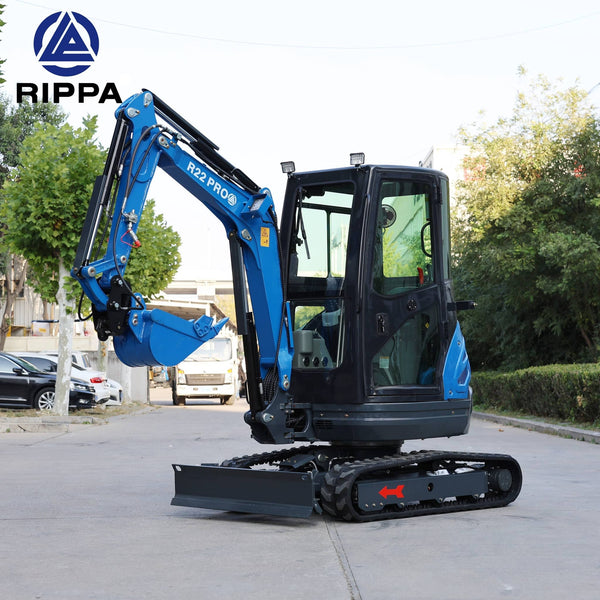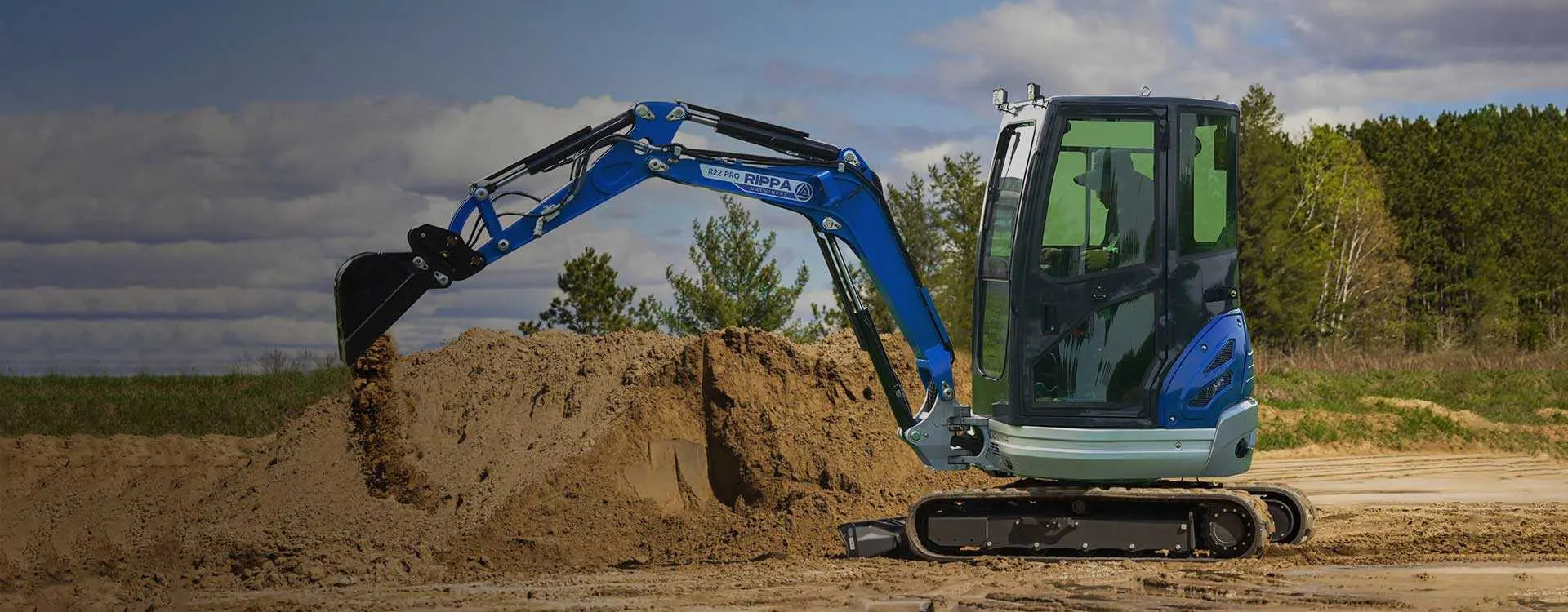

Reticulation lines, stormwater, soakwell connections and conduit all start with a trench. The right machine turns a weekend of shovelling into a few hours.
Excavator bucket or skid steer trencher?
| Mini excavator | Skid steer trencher | |
|---|---|---|
| Best for | Variable depths, drainage falls, pits | Long, narrow, consistent trenches |
| Trench width | Bucket width | Narrow chain width |
| Ground | Sand, clay, rock (with ripper) | Soil and sand; less suited to rock |
| Example | R10, R13 PRO | RS06/RS07 trencher, RS04 trencher |
Before you dig: lodge a free enquiry with Before You Dig Australia (byda.com.au) and locate underground services. See Before You Dig in WA.
Planning the trench
- Mark the route and check it against service plans.
- Confirm the depth and cover required for the pipe or conduit you're installing — follow the product and applicable standards.
- For drainage, set out the fall before you dig and check it as you go.
Digging clean trenches
- Start at the low point for drainage lines so water can escape as you work.
- Place spoil on one side of the trench, far enough back to stop it falling in.
- Dig in steady passes keeping the bucket or trencher straight.
- Check depth with a marked stick or laser level every few metres.
- Clean the base so pipes sit evenly without rocks.
Backfilling
Bed pipes in clean sand, backfill in layers and compact lightly around services. Use the excavator blade or a skid steer bucket to finish level.
Trench safety
Sandy trench walls can collapse without warning. Avoid entering deep trenches, and use battering or shoring where required by WA work health and safety rules.
See it in person: visit 10 Bushby St, Bellevue WA 6056 or call 1300 263 551. You can also send an enquiry.
Our Bellevue team can help you choose the right machine and attachments.